

The Korean prophetic text Jeonggamnok (정감록) is one of the most mysterious and influential prophecy books in Korean history. Written during the late Joseon Dynasty, this text circulated secretly among scholars and common people who believed it predicted political upheaval and the rise of a new era.
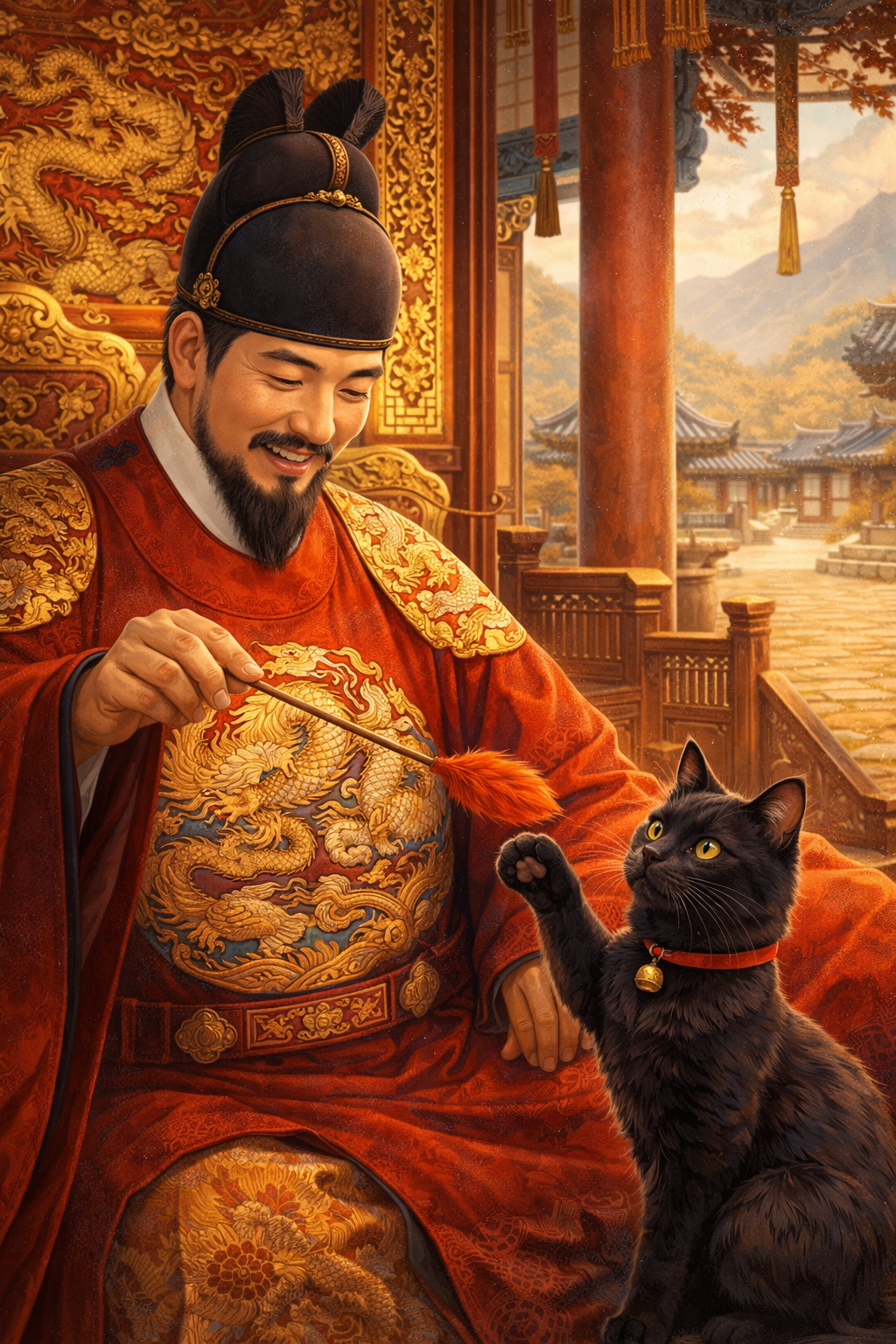
Among the many symbols used in prophetic traditions, animals sometimes appear as metaphors or omens. Some interpretations and commentaries connected to Jeonggamnok mention cats as symbolic figures representing hidden observation, change, or mysterious signs before major events.
What is Jeonggamnok (정감록)?
Jeonggamnok is a famous Korean prophetic text believed to have emerged in the 18th century during the Joseon Dynasty.
The book contains predictions about:
- The fall of corrupt governments
- Large-scale disasters and social chaos
- The emergence of a new righteous ruler
- Safe regions known as “SipSeungJi (십승지)”, or ten protected places where people could survive turmoil.
Because the prophecies hinted at political change and rebellion, the Joseon government considered the book dangerous and banned its circulation.
Despite the ban, copies continued to spread secretly among scholars, rebels, and common people.
Animal Symbolism in Korean Prophecy
In East Asian prophetic traditions, animals often represent hidden forces or cosmic signals.
Traditional symbolism includes:
- Dragon – imperial authority and heavenly mandate
- Tiger – strength and protection
- Birds – heavenly messages or omens
- Cats – mysterious watchers or subtle warning signs
Animals appear in prophetic writings because they symbolize natural forces that reflect changes in the human world.
The Symbolic Meaning of Cats
While cats are not a central figure in the main Jeonggamnok text, later interpretations associate cats with prophetic symbolism.
1. Hidden Observation
Cats are known for quietly observing their surroundings. In prophecy symbolism, this behavior represents hidden watchers or forces operating behind the scenes.
2. Silent Movement Before Change
Cats move silently and suddenly act. This characteristic is sometimes interpreted as major events occurring unexpectedly after a long period of quiet tension.
3. Mysterious Spiritual Connection
In many East Asian folk beliefs, cats are associated with the spiritual world and unusual omens. Their presence can symbolize unseen influences shaping future events.
Folk Interpretations and Later Commentaries
Many references to cats linked to Jeonggamnok come from later folklore interpretations rather than the original manuscript itself. Over time, Korean storytellers and interpreters expanded the meaning of the prophecies, connecting them to animals and symbolic signs. These interpretations helped people understand the prophecy in a more visual and metaphorical way.
Why Jeonggamnok Remains Fascinating
Even today, Jeonggamnok continues to attract historians, spiritual researchers, and prophecy enthusiasts.
The book is fascinating because it blends:
- Political prediction
- Spiritual symbolism
- Geography of survival
- Myth and folklore
Whether interpreted literally or symbolically, Jeonggamnok reflects the hopes and fears of people living in uncertain times.
The prophetic text Jeonggamnok remains one of Korea’s most mysterious historical works. While cats are not a primary figure in the original text, later interpretations associate them with themes of observation, hidden forces, and subtle omens.
Animal symbolism, including cats, plays an important role in many prophetic traditions because it connects natural behavior with deeper spiritual meaning.
Studying these symbols helps us understand how people historically interpreted signs of change in the world around them.